Editorial draft. This guide does not establish Kingsport menu items or availability.
Coffee menus become easier to read when you separate the brewing method from the finished drink. Espresso is one way of making coffee. The next questions are about how you want to drink it, what the shop’s version includes and what changes with the size you choose.
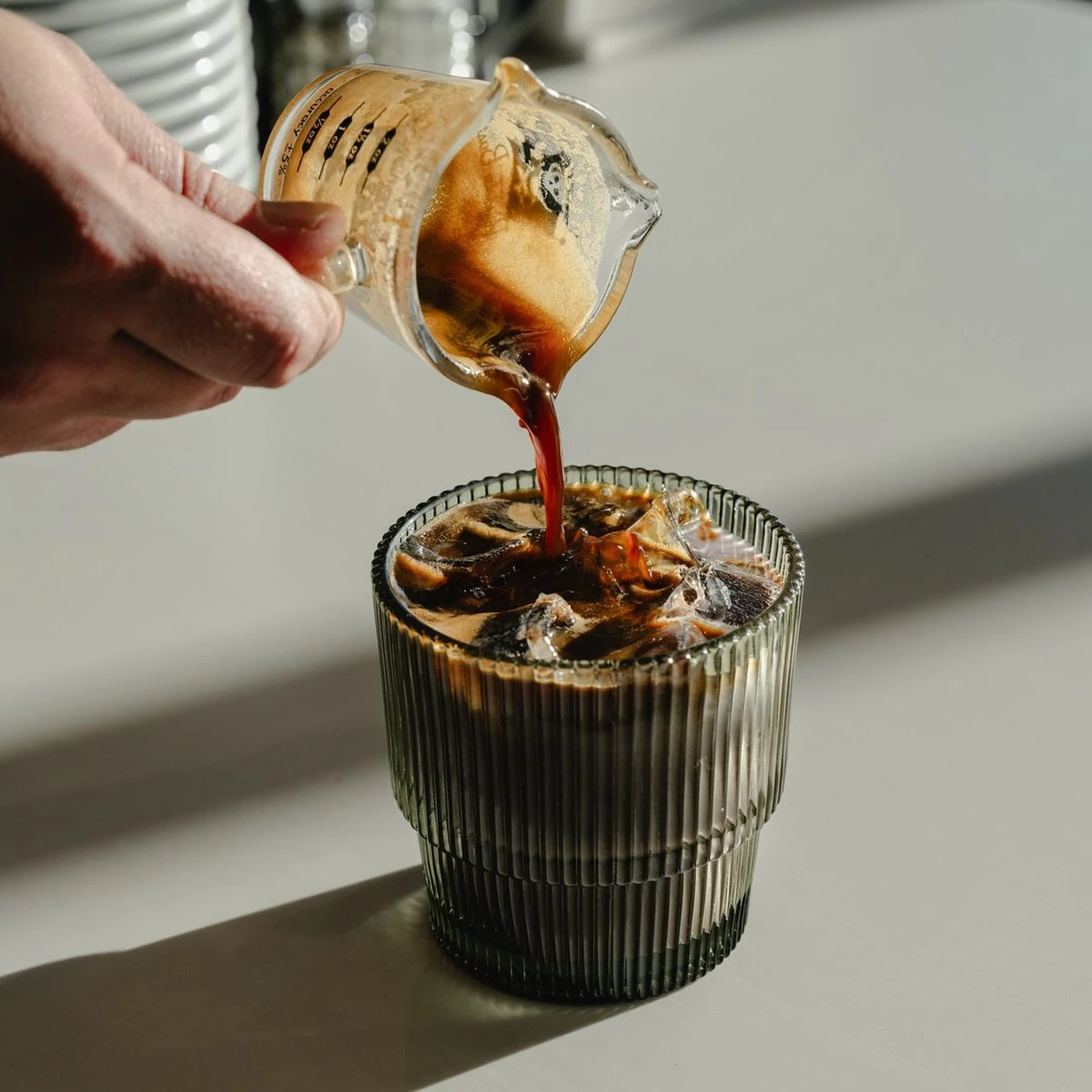
Espresso is a concentrated coffee made by a brewing method that uses pressure and finely ground coffee. It is not the name of a particular bean or roast. It can be served on its own or used as the starting point for other drinks.
Begin with the method
The National Coffee Association explains espresso as a method rather than a coffee variety. That distinction helps when you see espresso mentioned in several different drinks: the same general brewing approach can be part of more than one finished order. Read the NCA’s espresso introduction.
You do not need to learn machine settings to make an order. A better starting point is to describe the result you enjoy. Do you want coffee to be the main flavor? Are you looking for a milk-based drink? Would you prefer something over ice? Those questions put your preferences ahead of unfamiliar vocabulary.
Question one: how coffee-forward do I want it?
Picture the experience rather than the name. You may want a small drink focused on coffee itself, or you may want more of a milk-based drink with coffee running through it. Neither preference needs defending.
Tell the person helping you which direction sounds right. “I want to taste the coffee clearly, but I would like some milk” provides more guidance than “something good.” If you know a drink you have enjoyed elsewhere, explain what you liked about it rather than assuming the same name means exactly the same recipe here.
That also makes a new order easier to adjust later. If the first version has more milk than you wanted, you have a specific observation to bring to the next conversation.
Question two: what does this shop’s version include?
Names such as latte or cappuccino give you a place to begin, but ask about the actual size, milk texture and recipe on the menu in front of you. Avoid treating a diagram from another café as a universal specification.
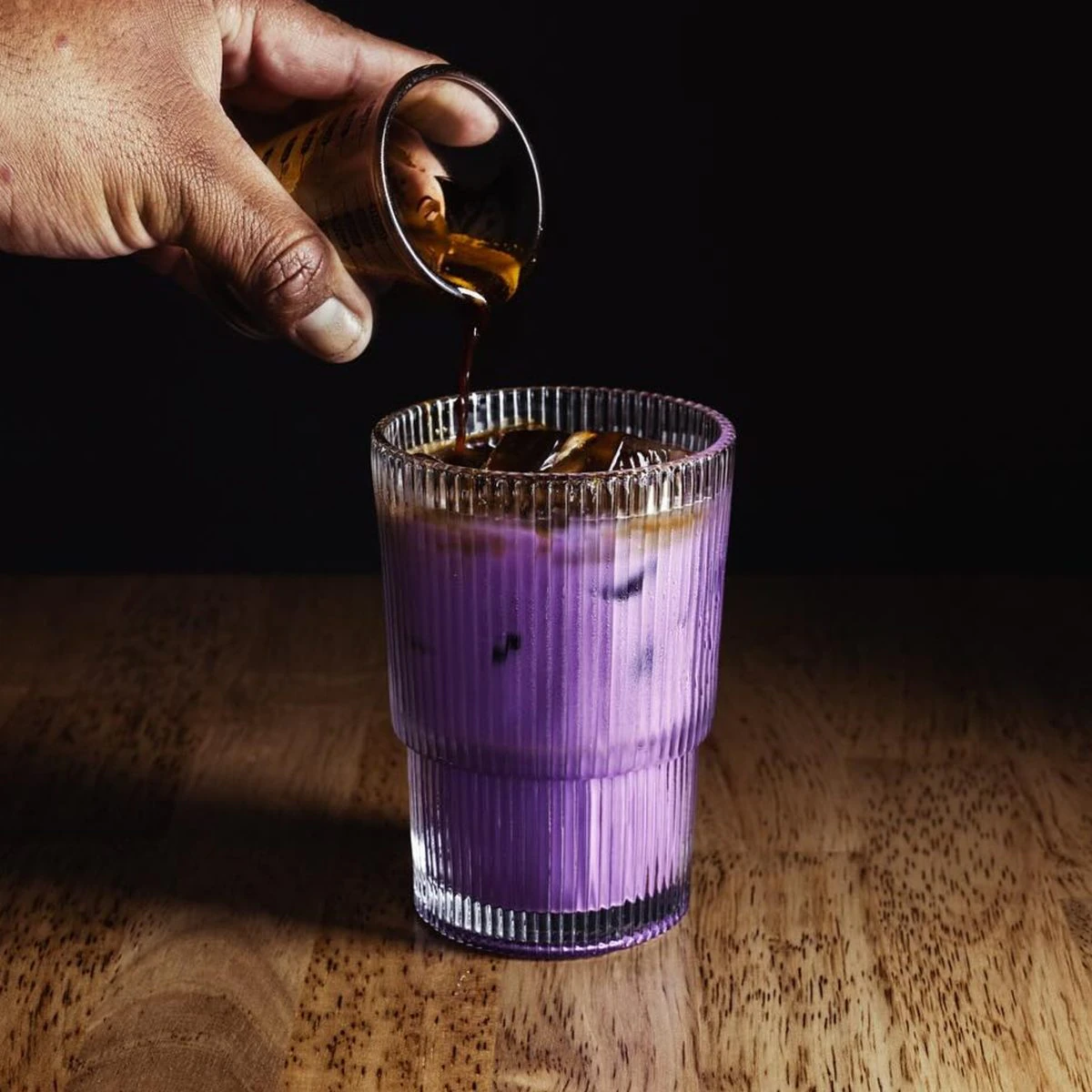
If you want an added flavor, ask which options are available and what is already included. If you prefer an unsweetened drink, say that clearly before choosing. A topping, a sauce and a flavored syrup are details worth discussing rather than guessing from a photo.
Useful ways to ask
- “Which option is more coffee-forward?”
- “What is the milk texture like in your version?”
- “Is anything sweetened already?”
- “Can you explain the difference between these two menu choices?”
Question three: what changes with the size?
Ask about the actual serving before treating a bigger cup as the same drink with more of everything. The useful details are the amount of coffee, the other ingredients and the available adjustments.
The NCA also notes that a concentrated taste and the caffeine in a whole serving are different questions. If caffeine is what you mean by “strong,” ask about the actual drink rather than relying on its appearance or name. This guide does not assign a caffeine amount to a Fearless order.
Put your preferences into one sentence
“I’d like a milk-based espresso drink where the coffee still comes through. I prefer it unsweetened. Which current option would you suggest?”
This is an example of a clear request, not a custom drink name. Change the preferences to match what you enjoy, then listen to the available options and confirm the price before ordering.
For the current location context, see Fearless Kingsport coffee and food information. If you want better words for what you taste, try our five-part coffee curiosity exercise.
Sources & context
- National Coffee Association: espresso · checked 2026-10-10