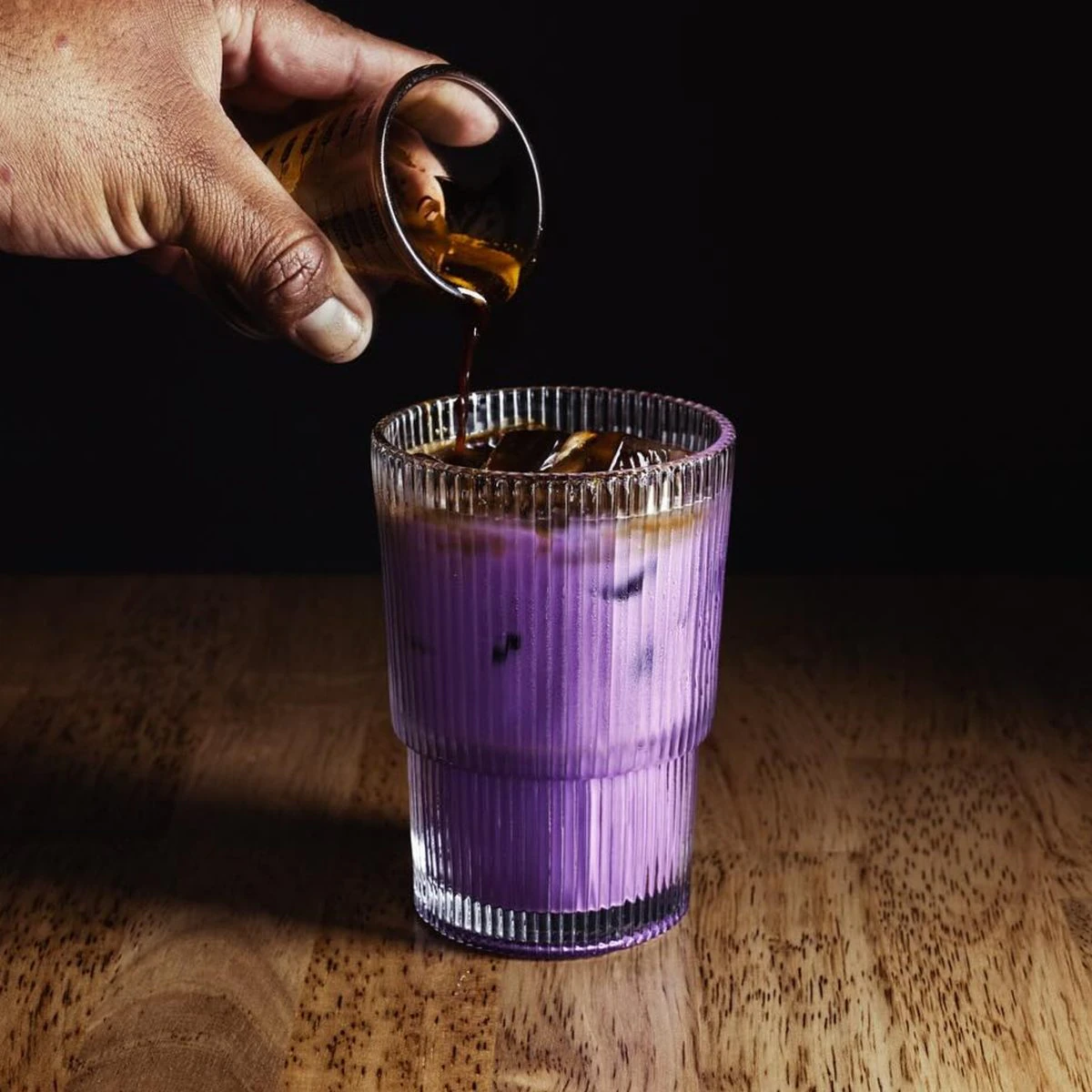
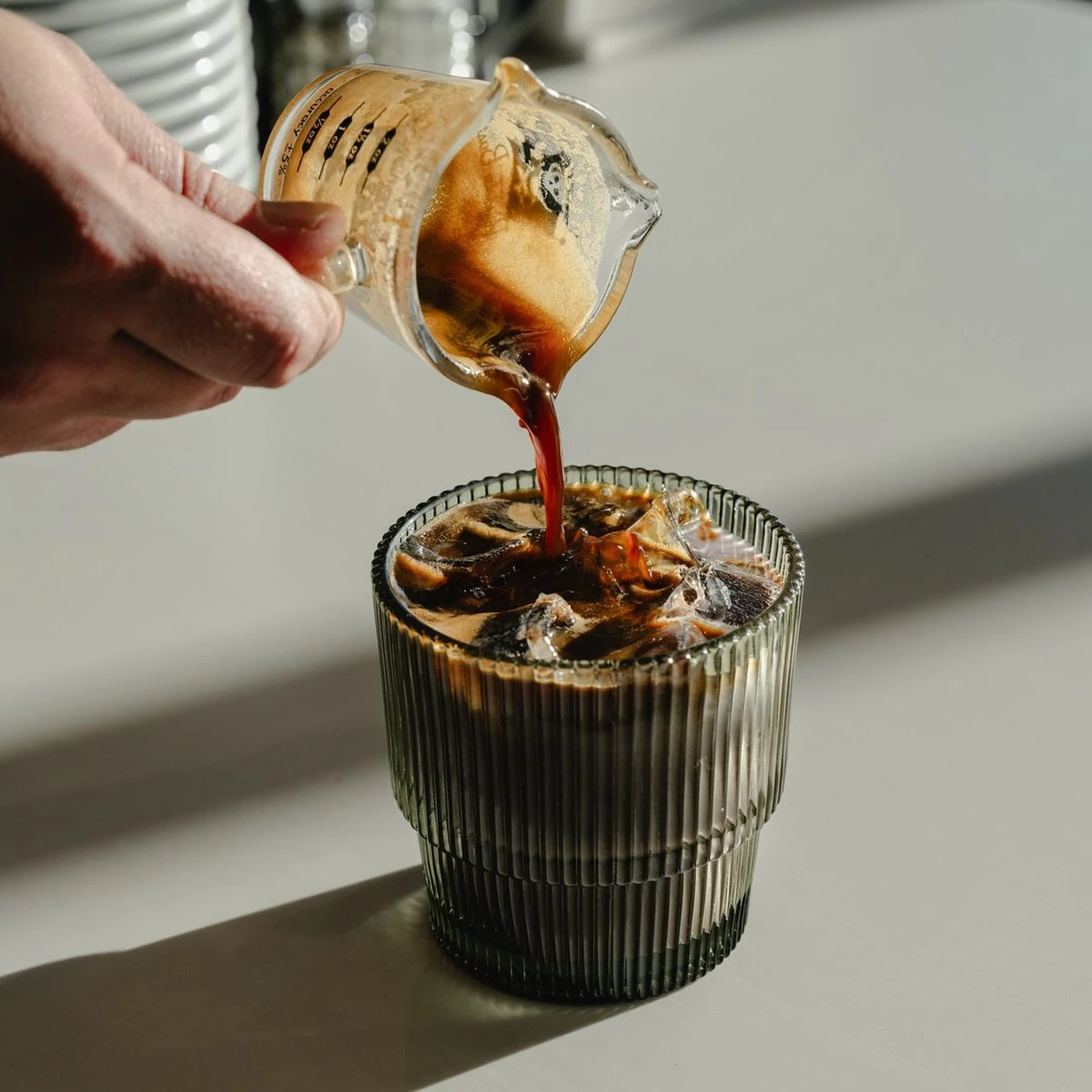
You can learn something useful about your preferences with one cup and a short note. Notice your first impression, the aroma, the feel, the flavor words that come to mind and one thing you would keep next time. There is no requirement to find a particular tasting note.
Notice your first impression
Before borrowing a description from the menu, ask what stands out to you. Perhaps the coffee flavor is clearer than you expected, or you like the balance with the milk. Write that in your own words.
“I enjoy this and want something similar” is a valid starting point. If you cannot identify more than that, do not manufacture a fruit or spice comparison to sound knowledgeable. The note is for your next order.
Give the aroma a moment
Try a broad description first. Does the aroma remind you of something roasted, fruity or sweet-smelling? If nothing comes to mind, leave the space blank and move on. This is an invitation to notice, not a requirement to identify an ingredient.
The Specialty Coffee Association’s flavor-wheel guide encourages moving from broad descriptions to more specific ones. For a casual cup, a broad word may already be enough. You can become more specific later if it helps you explain what you enjoy.
Describe the feel on its own
How would you remember the texture? “Lighter than I expected” or “I liked the creamy feel” can be useful. Keep this separate from the flavor comparison so the note explains more than one part of the experience.
Write down milk, ice or other adjustments too. You are describing the finished drink you actually had. An order with additions and an order without them are different contexts, even when they share a coffee name.
Keep a flavor memory separate from an ingredient
A flavor that reminds you of cocoa is an impression. It does not confirm whether chocolate was added. Ask about the recipe separately when ingredients matter.
You can explore sensory references for more vocabulary, but you do not need to imitate a professional tasting sheet. Choose words you will understand when you read the note again. A comparison with something familiar can be enough.
| Notice | Words you could use | Next-order question |
|---|---|---|
| Aroma | Toasty, fruity, familiar. | What did I notice before the first sip? |
| Feel | Light, smooth, creamy. | Do I want the same texture next time? |
| Flavor | Roasty, bright, pleasantly bitter. | Which part would I like more or less of? |
| Sweetness | Less sweet than expected, or sweeter than I wanted. | What is sweetened in the standard recipe? |
Save one useful change for next time
A one-cup note
- Drink, location and any adjustments.
- The first thing I noticed.
- A word for the aroma or feel, if useful.
- One part I enjoyed.
- One question or change for my next order.
For example: “I liked the coffee flavor and the milk texture, but would ask for less sweetness next time.” The note connects something you enjoyed with one small change to try.
Keep the next question small enough to use. You can bring it into the espresso conversation or the hot-or-iced guide. Curiosity is already a good place to start.
The useful takeaway
The best tasting note is one you understand and can use when you order again.